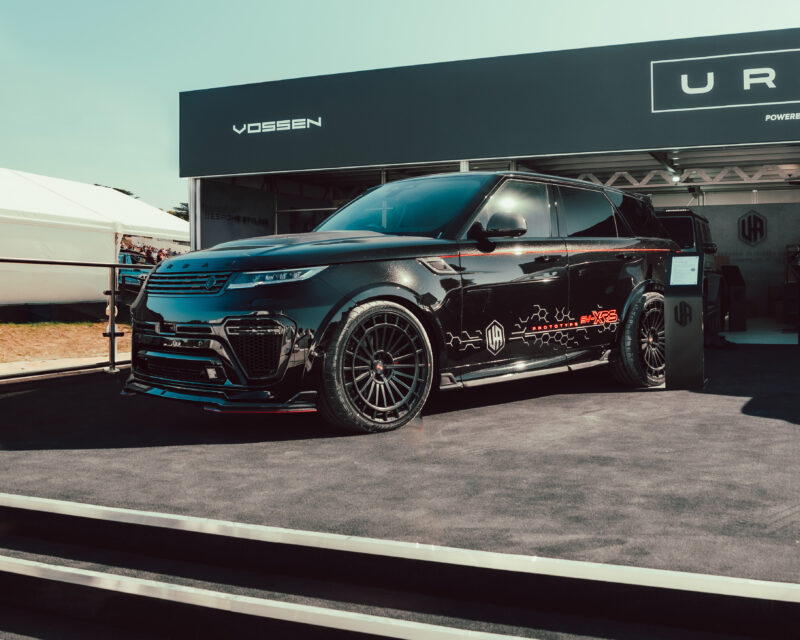
Drive System Design: Getting to grips with the really clever stuff
From motor topologies and inverter losses, to silicon carbide power electronics and virtual verification, Drive System Design could disappear very quickly into some extremely technical conversations.
loop’s job was to follow them in, understand what they were talking about, and come back out with something worth publishing.
DSD worked at the sharp end of powertrain development, helping vehicle manufacturers and suppliers solve difficult engineering problems around electrification, efficiency, simulation and testing. Much of our work involved sitting down with its engineers, asking enough questions to find the real point, then turning hours of specialist knowledge into articles that remained credible to expert readers without becoming impenetrable to everyone else.
For ATZ, one of the industry’s most technically demanding publications, we produced in-depth material on subjects such as the optimisation and de-risking of electric drive systems. That meant getting properly into the relationship between motors, batteries, transmissions and inverters, and explaining why the best individual component doesn’t necessarily create the best complete powertrain.

We adapted that technical depth for different audiences, too. Articles for E-Mobility Technology International, Automotive World, Just Auto and others covered everything from silicon carbide inverter technology and electric powertrain optimisation to NVH and the potential advantages of induction motors for commercial vehicles.
The subject might change, but the approach did not: find the purpose behind the engineering.
A particularly neat example was DSD’s ePOP optimisation tool. Presented one way, it involved huge design spaces, drive-cycle simulation and intelligent trade-off algorithms. Presented another, it was a very clever recipe generator: give it the ingredients and the result you want, and it could explore thousands of possible combinations, including some an engineer might never have thought to try. Someone, after all, had to be first to put chocolate and orange together.
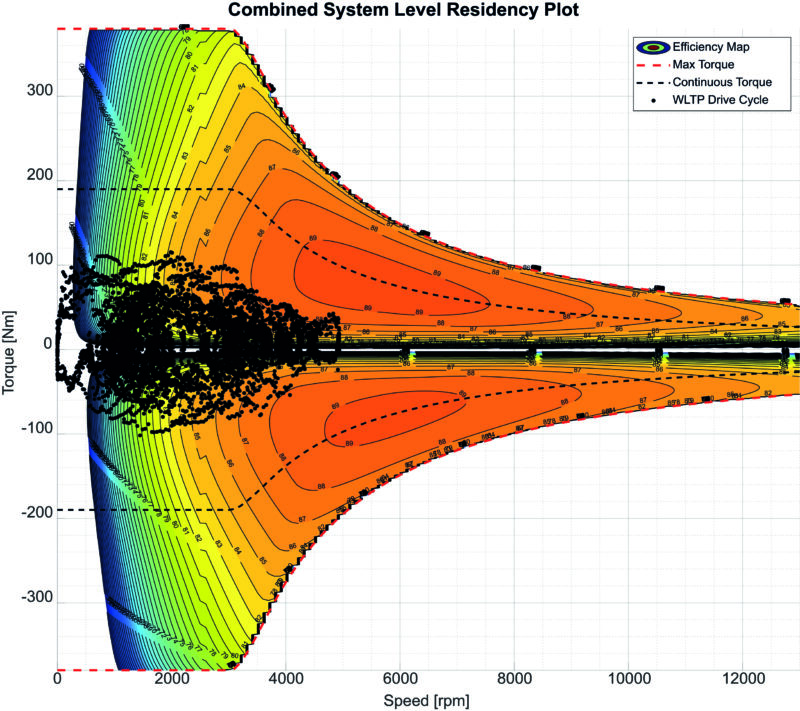
To a powertrain engineer, this is as appealing as a chocolate orange.
That same understanding fed into press releases, opinion pieces and award submissions. We helped explain DSD’s investment in sophisticated electrified powertrain test facilities, its Open Inverter Platform and the engineering behind projects spanning automotive, commercial vehicles and other sectors.
And when ePOP went on to win at the British Engineering Excellence Awards, there was a pleasing symmetry to having helped explain exactly why it deserved to.
For DSD, technical credibility was never optional. Its audience included engineers who already knew the subject inside out, leaving no room for hand-waving.
But once DSD did the difficult thinking, loop made sure people could follow it.
Looking for automotive PR support?
If you’re looking for people who understand the industry, the media and the moving parts behind a good story, we should talk.
Talk to loop